Ke Huy Quan’s First ‘Temple of Doom’ Check Was Almost $100,000
He was 12 when he filmed it. Two years later Lucasfilm sent an envelope his parents did not believe.
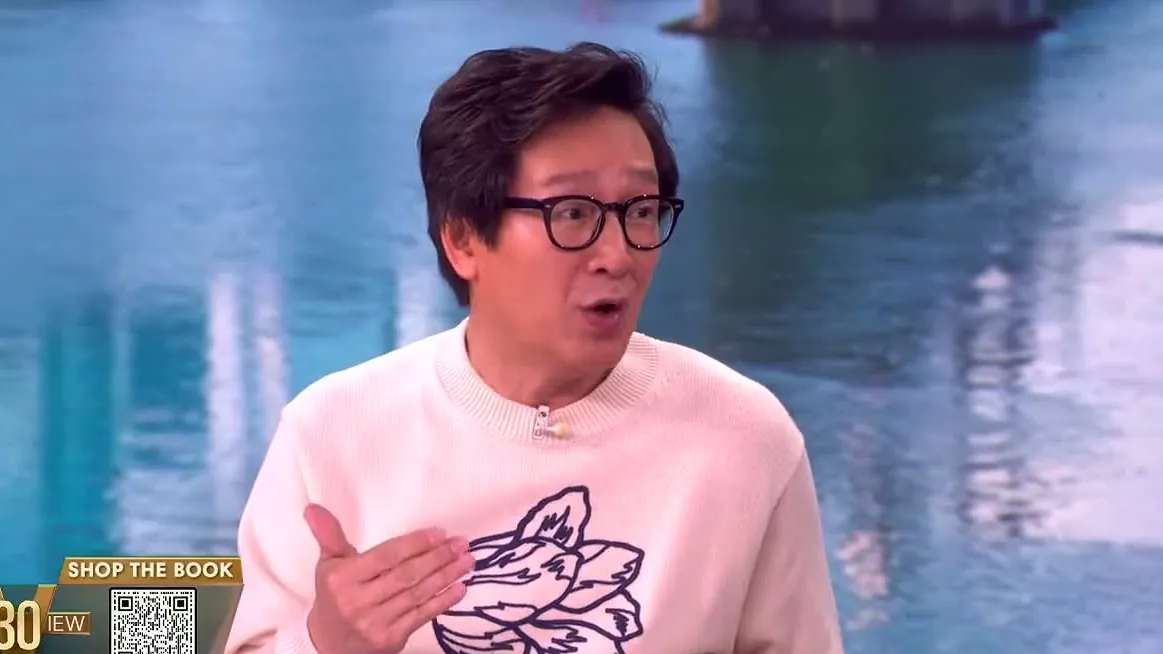
- Ke Huy Quan says his first residual check for Indiana Jones and the Temple of Doom was almost $100,000, from Lucasfilm.
- He was 12 when he shot the film. The envelope arrived about two years after he signed on.
- The story is in Never Say Die, the memoir that publishes Tuesday, Sept. 22.
The envelope had his name on it. Ke Huy Quan came home from school to find both his parents standing at the kitchen table, holding paperwork neither of them had expected.
It was a check from Lucasfilm. It was for almost $100,000, an amount that didn’t make any sense to me.
Ke Huy Quan, in Never Say Die
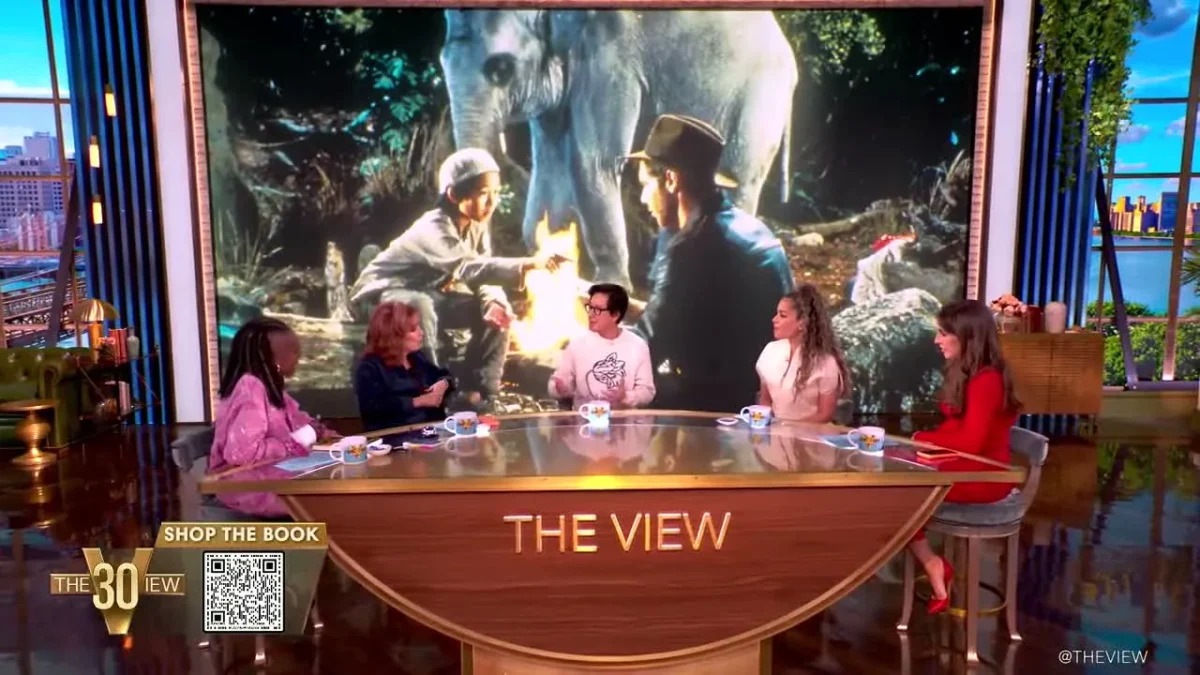
He was barely into his teens. He describes his parents’ reaction as “the kind of smile that comes from surprise and disbelief mixed together.” The family had arrived in the United States as refugees from Vietnam a few years earlier.
What is a residual, exactly?
A residual is what a performer is paid when a film or show is used again after its first run — a television broadcast, a videocassette, a DVD, a streaming licence. It is separate from the fee for doing the job, and it keeps arriving for as long as the thing keeps selling.
The rates are not negotiated film by film. They come from the union agreements — today SAG-AFTRA’s — which set what each kind of reuse owes, and the studio pays through the union rather than directly to the actor.
That is why the money is called mailbox money: nobody has to book you again for it to show up.
Why was a child actor’s check that big?
Because of when the film landed. Temple of Doom opened in 1984, and the two years after it are exactly when the money arrives: the network television sale, the pay-cable window, and a home-video market that was turning into a second box office.
A film that big, in that window, generated reuse payments on a scale the theatrical fee never approached. The check was not a bonus for good work. It was arithmetic.
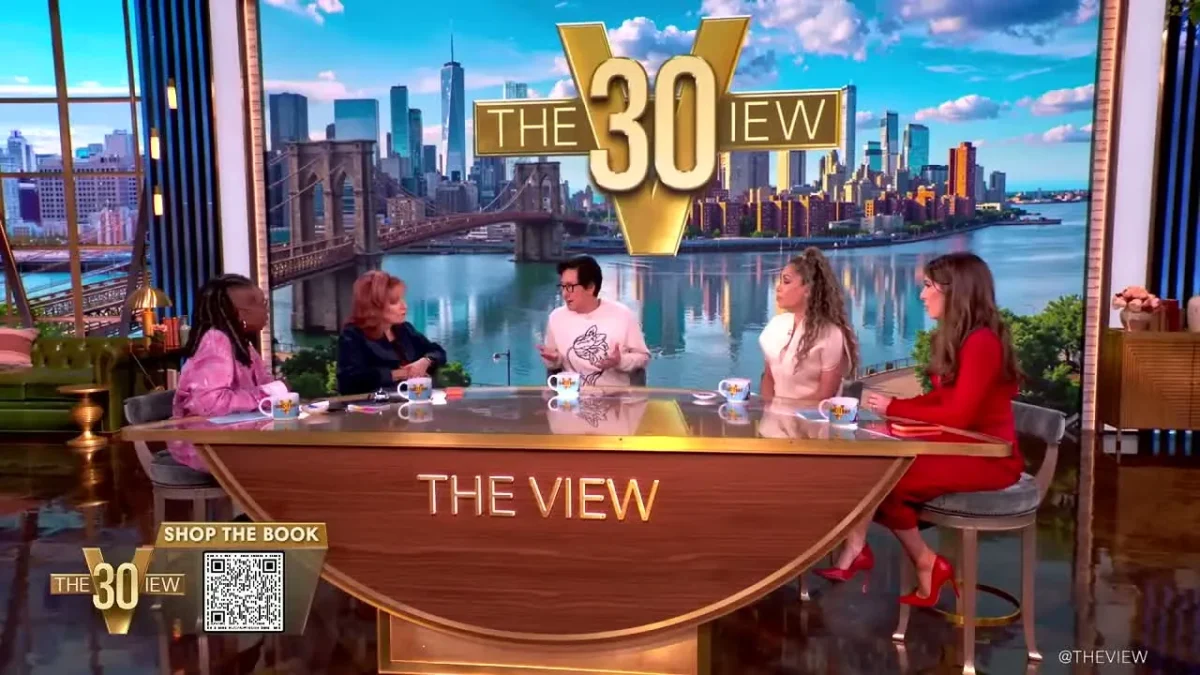
The comparison that makes the point is what the same arrangement pays now. Streaming replaced the rerun and the videocassette with a flat licence, and the per-title payments collapsed — which is the fight that shut Hollywood down in 2023, and why actors from long-running hits now talk publicly about checks worth cents.
What else is in the memoir?
Never Say Die publishes Tuesday, Sept. 22. It covers the part people already half-know — the boy from The Goonies and Temple of Doom who could not get cast as an adult, left acting, worked behind the camera, and came back to win the Oscar for Everything Everywhere All at Once in 2023.
What the envelope story adds is the other side of that arc: the money worked before the career did.
More in Movies & TV: the horror reboot that just took the box office, what Netflix invented in its Lizzie Borden season and Matthew Lillard on being on the wrong side of Scream history. Also this week: why Whoopi Goldberg’s chair is empty.
The number is doing two jobs at once. It is a good story about a kid and an envelope, and it is a receipt from a version of the business that no longer exists.
A 12-year-old supporting player in a 1984 blockbuster out-earned, in one residual check, what plenty of leads on streaming hits now see across a whole run.
— Bruno Monteiro
Sources: quotes from Never Say Die by Ke Huy Quan; his Sept. 16 appearance on The View’s official channel; how residuals are calculated and paid, from SAG-AFTRA’s published agreements. Reported by Variety and The Hollywood Reporter.
Reported from The View on Youtube.
How FameCrumbs reports · Request a correction