Resident Evil: no post-credits scene, and a franchise box office record
Zach Cregger's reboot opened to the biggest day the series has ever had. It also sends you home the moment the credits roll.

- There is no post-credits scene in Resident Evil. When the red end titles start, the film is over.
- It opened to $26.3 million on Friday from 3,684 theaters — the biggest single day the 24-year-old film series has ever had.
- That record is in today’s dollars. Adjusted for inflation, Afterlife in 2010 is still the bigger opening.
Stay or go? Go. Resident Evil has no post-credits scene and no mid-credits tag. Zach Cregger’s reboot runs 95 minutes, tells one closed story, and hands you nothing extra for sitting through the crawl.
What is worth knowing is what the film did on the way in. It took $8.8 million from Thursday previews, the best preview night in the series, then $26.3 million on Friday.
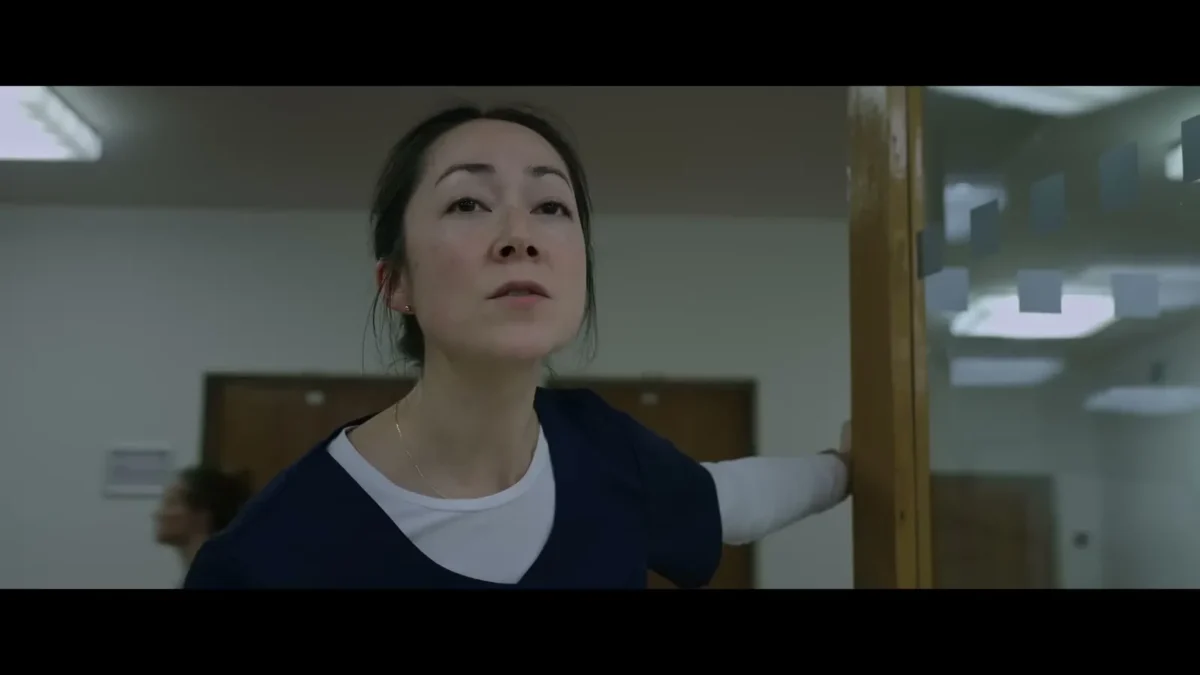
Is there a post-credits scene in Resident Evil?
No. The credits are a red-on-black sequence with nothing buried in them, which is unusual for a studio horror film launching what everyone assumes will be a franchise.
That is a choice, and it fits the film. At 95 minutes this is the shortest entry the series has had, built as a self-contained story rather than a first chapter with homework attached.
Cregger has said he is already thinking past it, without promising anything.
I can’t help thinking about other places this story could go. I’ve got ideas, but this movie hasn’t even come out yet.
Zach Cregger, director
Which is the honest version of what a sequel depends on: the number below.
How big was the opening?
Sony put the film in 3,684 theaters on Friday, Sept. 18, after Thursday previews on the 17th. The studio is guiding to a $53 million to $55 million domestic weekend; theater-level estimates run closer to $60 million.
Against a reported $75 million budget, a $60 million domestic opening is a strong start, though marketing spend and the theater split mean a film like this usually needs a multiple of its budget worldwide to clear.
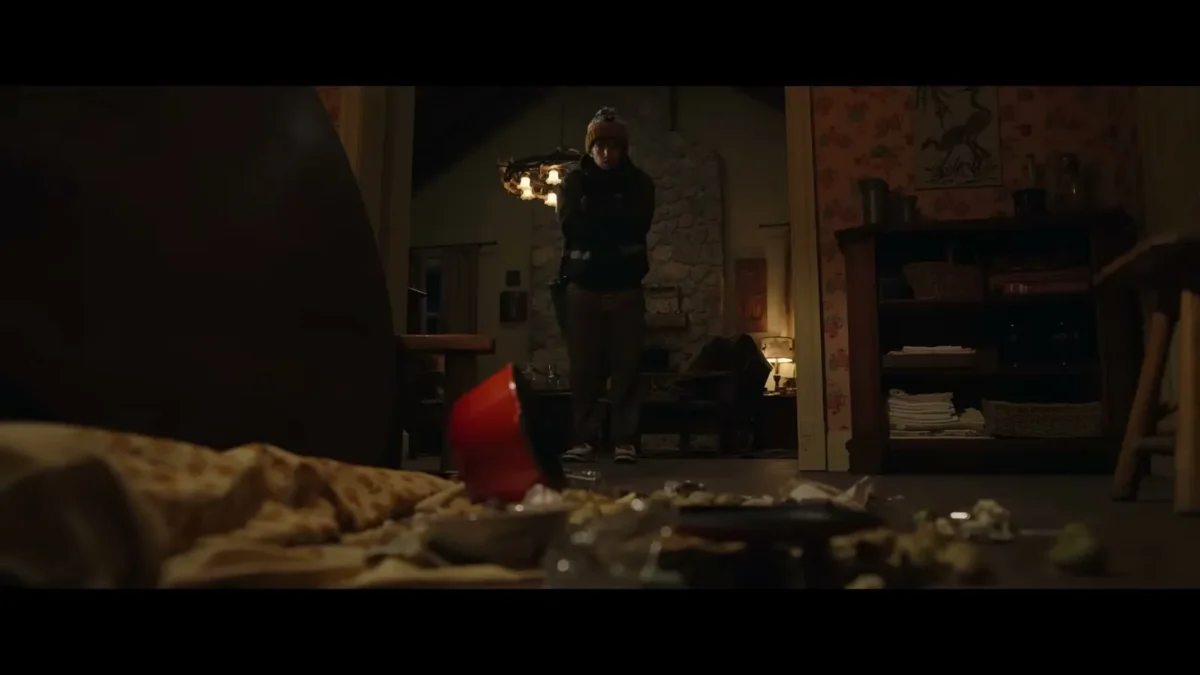
The reviews came in unusually high for the genre: 96% from critics and 91% from audiences on Rotten Tomatoes, a B+ CinemaScore and 4.5 out of 5 on PostTrak.
The B+ is the number to watch. CinemaScore measures opening-night crowds, who are the most forgiving audience a horror film will ever get, so a B+ there usually points to steeper weekday drops than the critic score suggests.
Is it really a franchise record?
In today’s dollars, yes. Nothing in the Paul W.S. Anderson run opened bigger on a single day.
Adjusted for inflation, no. Resident Evil: Afterlife opened in September 2010 to $26.6 million, which is about $40.9 million in 2026 money — more than half again what the reboot did on Friday.
This is how most franchise records work now, and it is worth saying out loud when the number gets quoted: nominal dollars make every recent opening look like a peak. What the reboot genuinely did set is a career best for Cregger, who came out of Barbarian and Weapons into a $75 million studio tentpole.
What did it knock off the top spot?
Practical Magic 2, which had held No. 1 the previous weekend with $30 million and then fell 65% to $10.4 million in its second. A drop that steep in week two is the shape of a film that front-loaded its fans.
The two together are September doing what September does for horror and witchcraft: the season starts early. It is the same pull that put Netflix’s Lizzie Borden season in front of an audience on Sept. 17 and has Matthew Lillard back in the Scream franchise this year.
Who is in it?
Austin Abrams plays Bryan, a medical courier carrying something valuable into Raccoon City when the outbreak starts. Cregger directed and co-wrote with Shay Hatten. Sony released it through Columbia with Constantin Film, the German company that has held the rights since the first film in 2002.
More in Movies & TV, including the Emmy sweep nobody predicted and the Netflix cancellation that landed this week.
The post-credits question is the tell. A studio expecting to announce a sequel shoots a 20-second tag for it — they are cheap, and they do the announcing for you.
Sony did not. Either the decision is genuinely still open, or Cregger meant it when he built this as one story that finishes. The $60 million weekend probably settles it.
— Bruno Monteiro
Sources: box office figures from Sony Pictures via Comscore, reported by Jeremy Fuster (TheWrap) and Anthony D’Alessandro (Deadline); the inflation-adjusted Afterlife figure is TheWrap’s; audience and critic scores from Rotten Tomatoes, CinemaScore and PostTrak; cast, writing and directing credits read from the official Sony Pictures Entertainment trailer; Cregger quote as published by Looper.
Reported from Sony Pictures Entertainment on Youtube.
How FameCrumbs reports · Request a correction