David Surkamp, the Pavlov’s Dog Singer Behind ‘Julia,’ Has Died
The St. Louis band's frontman died unexpectedly on Oct. 13, 11 months after his wife and bandmate, Sara. What the band said, why his age is reported two ways, and the career behind 'Pampered Menial.'

- David Surkamp, the lead singer and songwriter of the St. Louis rock band Pavlov’s Dog, died on Monday, Oct. 13. The band called his death “unexpected.”
- No cause of death has been released.
- He sang “Julia” and “Late November” on the band’s 1975 debut, Pampered Menial, and released his last album with the group, Wonderlust, in October 2025.
David Surkamp, whose high, trembling voice defined the 1970s cult band Pavlov’s Dog, has died. The band’s violinist, Abbie Steiling, announced on Facebook on Wednesday, Oct. 14, that he died two days earlier.
“It is with the heaviest of hearts that we share the unexpected passing of our creative force, lead singer, and dear friend, David Surkamp, on October 13th,” she wrote on the band’s behalf.
How did David Surkamp die?
The band did not say. The statement described his death only as unexpected, and no cause had been made public as of Saturday, Oct. 17.
It came 11 months after the death of his wife, Sara Surkamp, who sang and played guitar in Pavlov’s Dog from the mid-2000s on. She died in November 2025 at 72.
“David’s heart held so much love for his wife Sara, and we hope he has found peace with the love he has missed so dearly,” the band wrote.
He is survived by his children, Saylor and Evan.
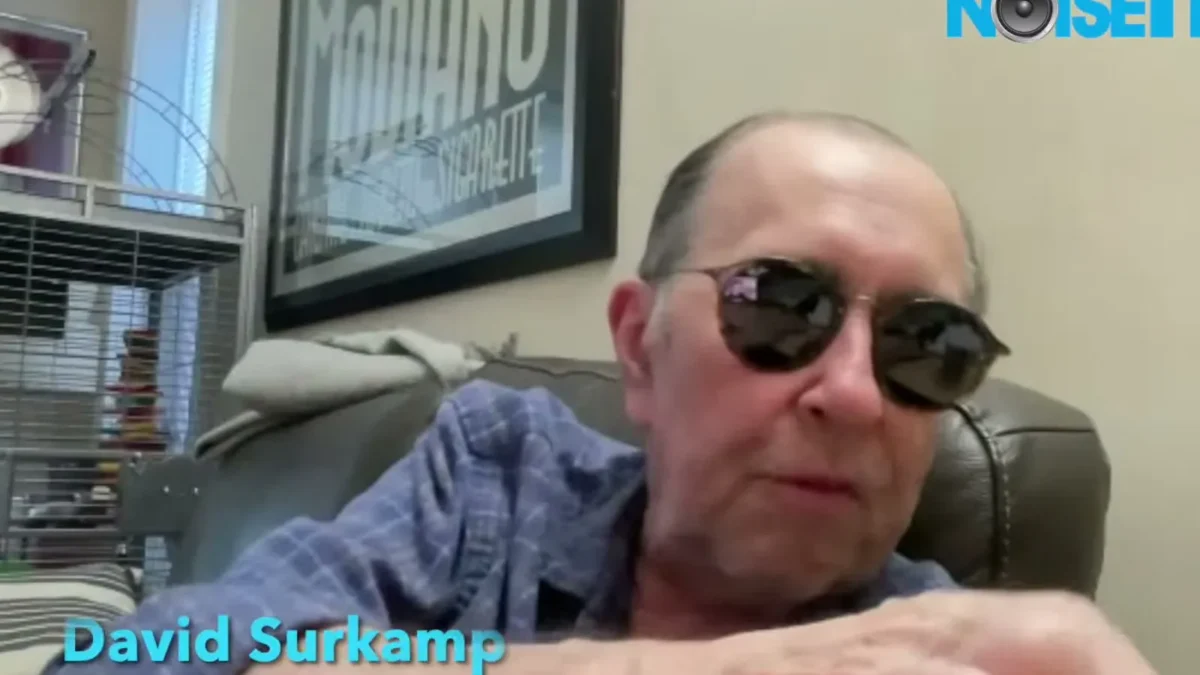
How old was David Surkamp?
Most reports, including Variety and Prog, put his age at 73. The Los Angeles Times gave his birth date as May 23, 1952, which would make him 74. Pavlov’s Dog’s announcement did not include his age.
Who was David Surkamp?
He started a band called High on a Small Hill in St. Louis in 1971, at 19, with bassist Rick Stockton, and it grew into Pavlov’s Dog. The group signed a six-figure deal with ABC Records and recorded Pampered Menial (1975) with Sandy Pearlman and Murray Krugman, the producers behind Blue Öyster Cult.
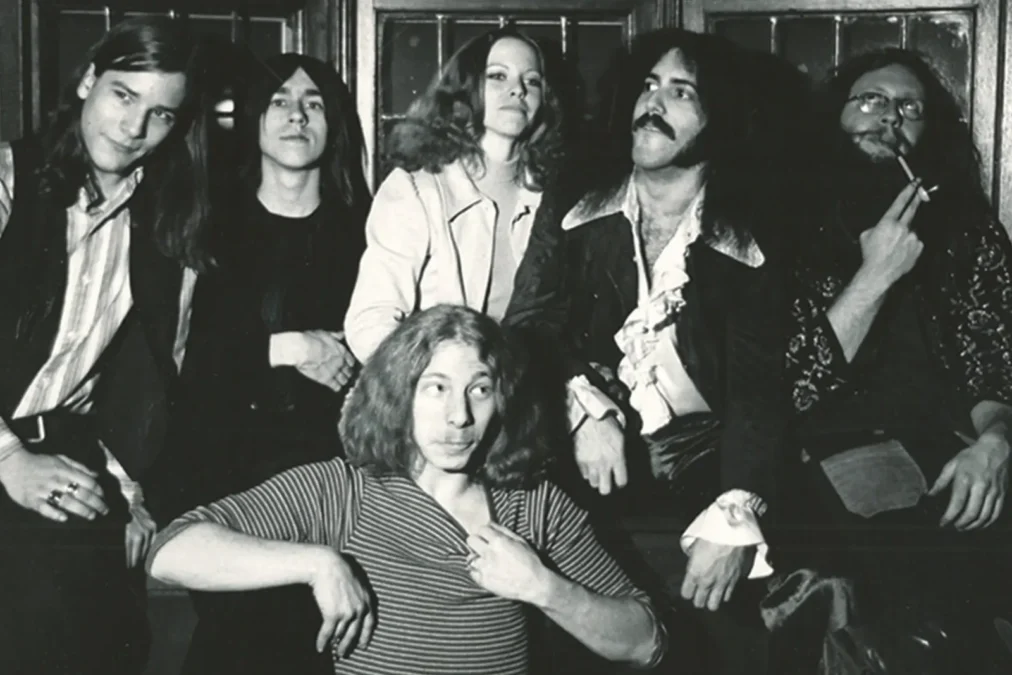
The sound mixed hard rock with violin and flute, and Surkamp’s voice was the part people remembered. He once described it to Prog magazine as “a choirboy on speed.” The second album, At the Sound of the Bell (1976), featured King Crimson and Yes drummer Bill Bruford and Roxy Music’s Andy Mackay.
Columbia declined to release a third album in 1977, and the band split. Surkamp moved to Seattle and formed the duo Hi-Fi with Iain Matthews of Fairport Convention.
Pavlov’s Dog came back in 1990 with Lost in America, and again in the mid-2000s with Sara in the lineup, touring Europe and releasing Echo & Boo, Prodigal Dreamer and Wonderlust.
“No matter what life held for him, he came alive onstage,” Steiling wrote. “If he was playing music, it was a great day.”
David Surkamp's Pavlov's Dog, album by album
4 photos · swipe
-
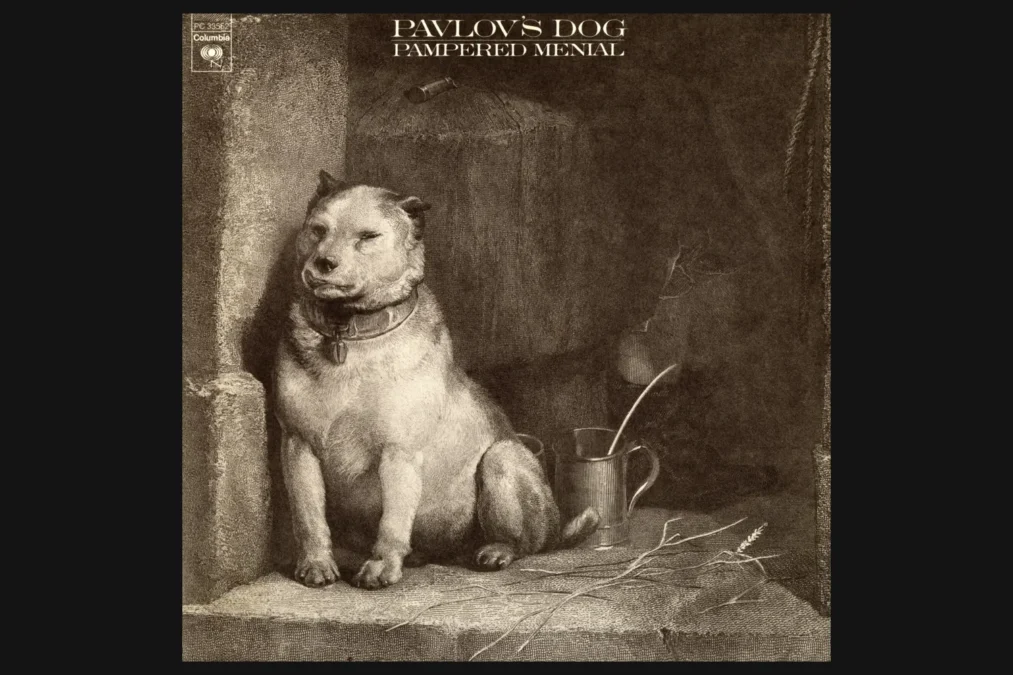
Pampered Menial (1975), the debut with “Julia” and “Late November.” (Sony Music Entertainment) -

At the Sound of the Bell (1976), with Bill Bruford on drums and Andy Mackay on sax. (Sony Music Entertainment) -
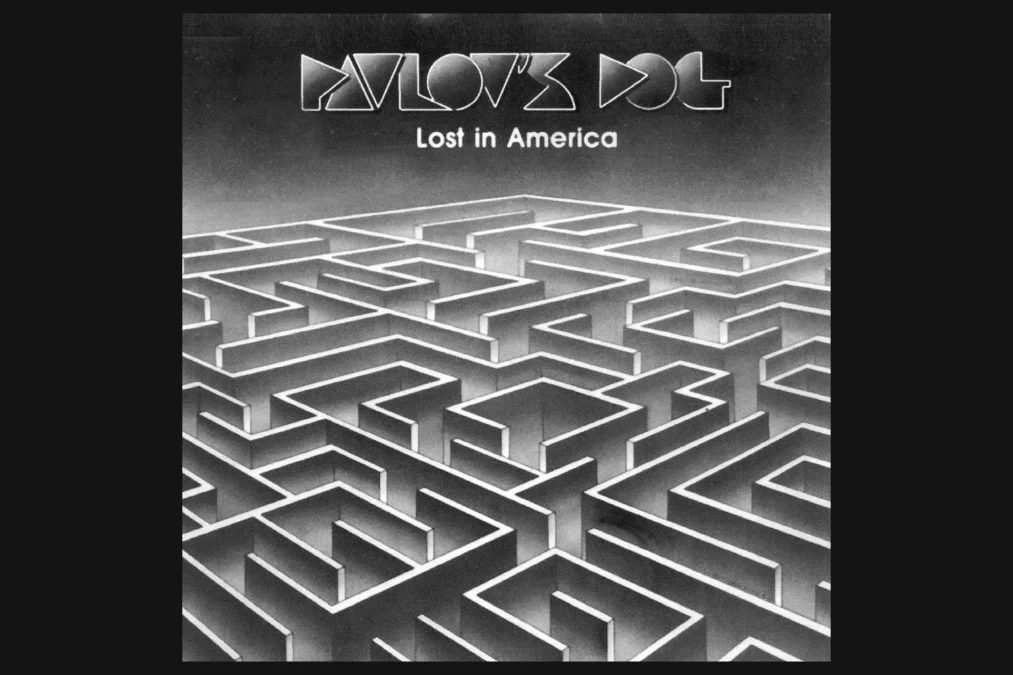
Lost in America (1990), recorded when Surkamp reunited the band after more than a decade. (Rockville Music/Ruf Records) -

Wonderlust (2025), his last album with the band, released Oct. 3, 2025. (Ruf Records)
More on music’s recent losses and farewells: Dolly Parton’s final recording, and, from TV, Breaking Bad’s RJ Mitte and Saved by the Bell’s Dennis Haskins. More in Music.
— Bruno Monteiro
Sources: Pavlov’s Dog statement on Facebook (Abbie Steiling), Oct. 14, 2026; Los Angeles Times (Alexandra Del Rosario); Variety (Jem Aswad); Prog/Louder (Jerry Ewing); band history from the Pavlov’s Dog official site; album dates from Apple Music. Photos and video: KDHX, Noise11, Pavlov’s Dog official site, Sony Music Entertainment, Rockville Music, Ruf Records.
Reported from KDHX on Youtube.
How FameCrumbs reports · Request a correction