How to Apply Mascara Without Smudging: Why It Moves, and the Fix
Panda eyes by noon are a formula problem, not a you problem. A makeup artist's explanation of why mascara migrates, and the three fixes, from eye cream to tubing mascara.
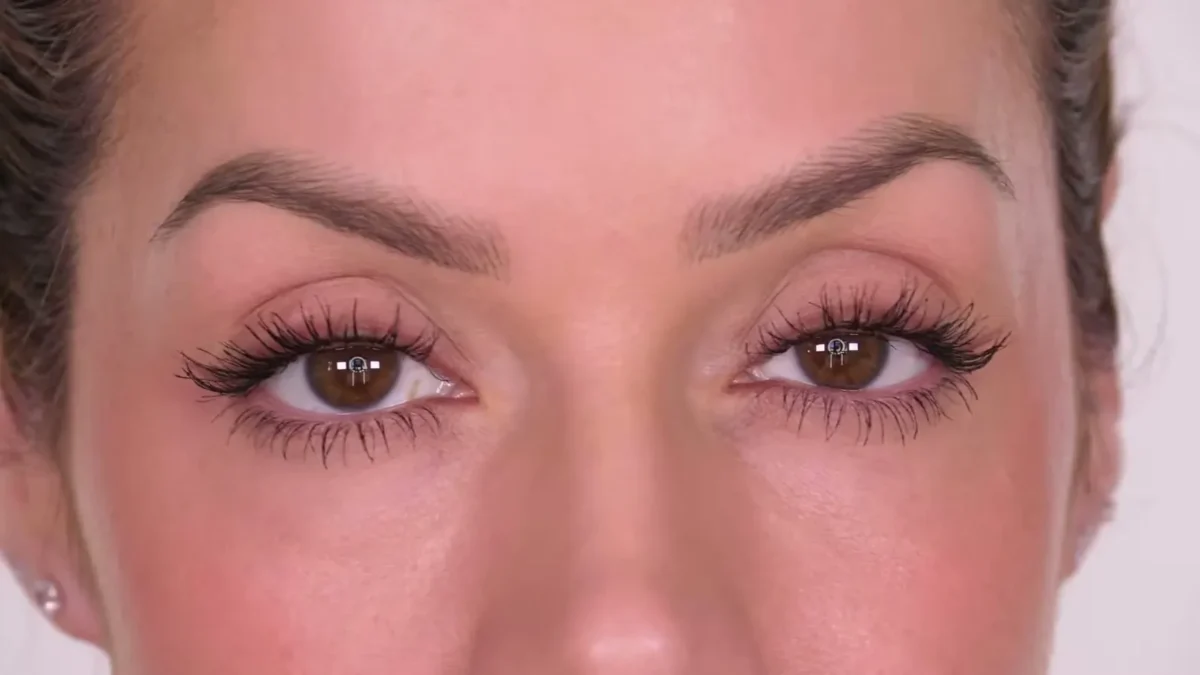
- Most mascara is made of waxes and oils. Oil from your skin, eye cream and concealer softens it, and it slides down: that is the smudge.
- The fixes: keep rich eye cream away from the lash line, set the under-eye, or switch to a tubing mascara, which wraps each lash in a film that oil does not dissolve.
- Waterproof works too, but needs an oil-based remover. Tubing comes off with warm water.
The “fail-and-flex” mascara videos going around follow one script: raccoon eyes at 3 p.m., then the fix. The fix is almost always the same, and it starts with understanding what mascara actually is.
Why does my mascara smudge under my eyes?
Because most mascara is built to soften. A traditional formula coats lashes with waxes and oils that carry the pigment. Anything oily that touches it later, like your skin’s own oil, a rich eye cream or a creamy concealer, loosens that coating.
Blinking does the rest. Every blink presses lashes against the skin under the eye, and the softened mascara transfers a little at a time until it becomes a gray shadow.
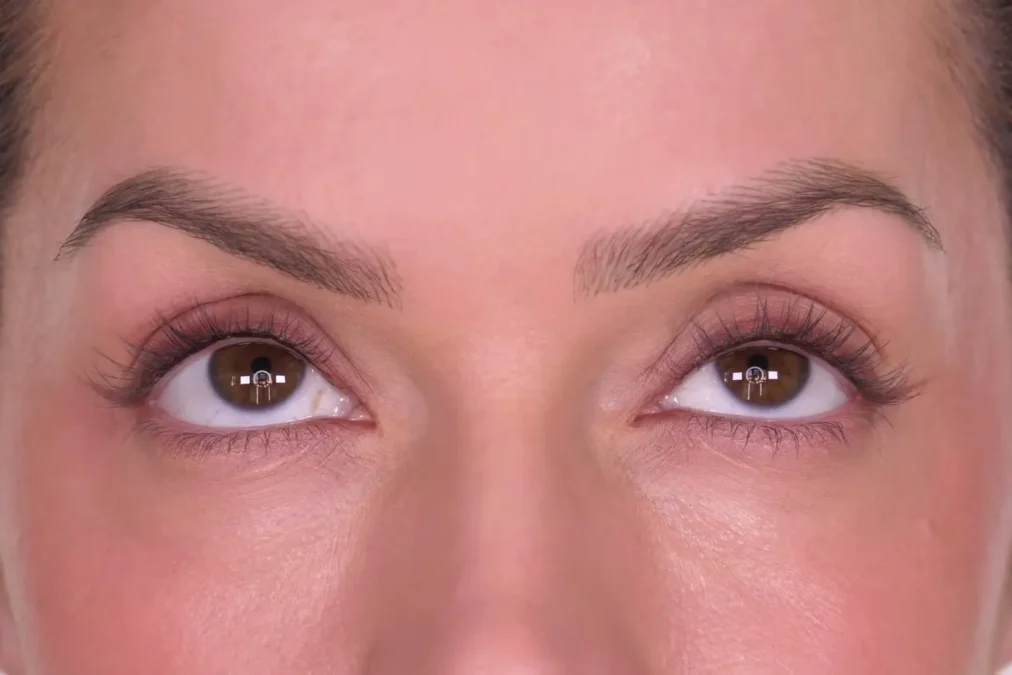
How do you stop mascara from smudging?
Makeup artist Shonagh Scott breaks it into fixes you can make without changing your mascara, and one that does.
1. Move your eye cream. If it is rich, keep it below the crease under the eye, not up at the lash line, and give it time to sink in.
2. Clean up the under-eye. Foundation and concealer settle into lines and stay oily. Once they set, press away the excess with a cotton swab.
3. Set it. A light, fine powder under the eye creates a smooth layer other products do not grip. Keep it off the lids, where eyeshadow needs something to grip.
4. Change the formula. This is the one that works on its own, with or without the first three.
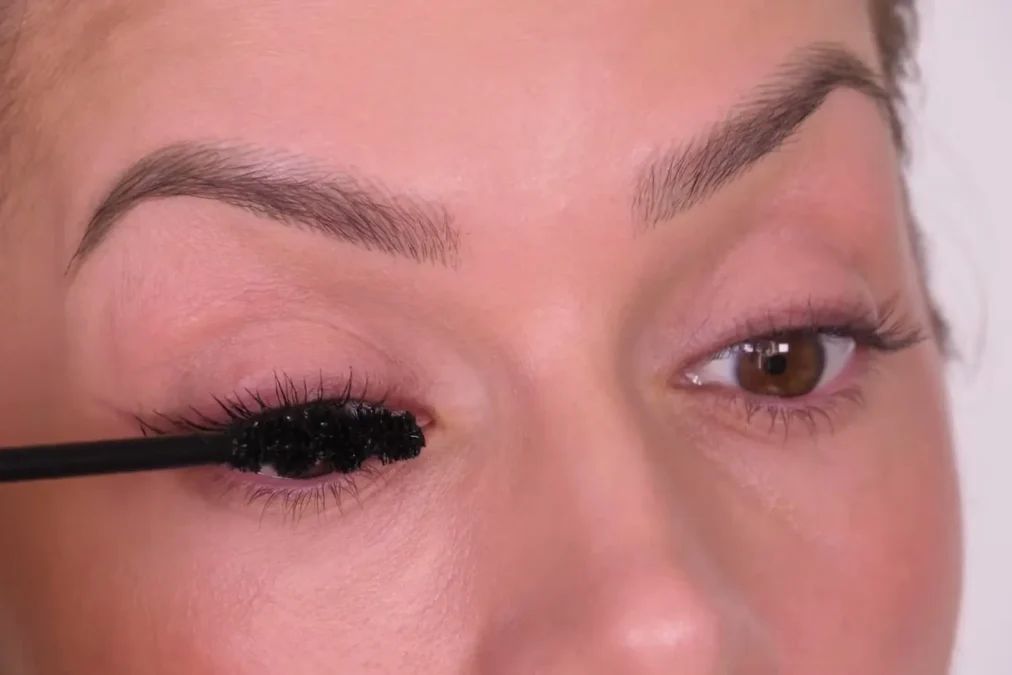
What is tubing mascara, and is it better than waterproof?
Tubing mascara uses film-forming polymers instead of wax. As the water in the formula evaporates, it shrinks around each lash into a flexible sleeve, a tiny tube. Oil does not dissolve that film, so it does not smear or flake.
It also comes off differently. Warm water softens the bond between the tube and the lash, and the sleeves slide off between your fingertips, no oil needed. Scott’s advice if you get it on your skin: let it dry, then flick it away with a dry swab.
Waterproof mascara resists water and tears, which makes it the better choice if you know you will cry, at a wedding, say. The catch is removal: it needs an oil-based or two-phase remover, and rubbing it off is hard on lashes.
Here is the whole demonstration, including a side-by-side of the two formulas after several hours of wear.
More beauty and style guides in Style: every type of wig, explained, and Twiggy, whose lower-lash look defined the ’60s. For the rest of the house, here is a daily, weekly and monthly cleaning schedule.
— Bruno Monteiro
Sources: Shonagh Scott, This Mascara Technique STOPS Transfer Completely! (YouTube, Sept. 2025); U.S. Food and Drug Administration (FDA), eye cosmetic safety guidance. Photos: frames from Shonagh Scott’s video.
Reported from Shonagh Scott on Youtube.
How FameCrumbs reports · Request a correction